واہ کینٹ کی علمی میراث: ایک تاریخی مرقع

پاکستان کا تاریخی منظرنامہ سلطنتوں کے عظیم الشان آثار سے بھرا پڑا ہے، لیکن بہت کم خطے ایسے ہیں جن کی تاریخ جدید واہ کینٹ کی طرح کثیر الجہتی ہو۔ اس سے پہلے کہ یہ ایک ہلچل مچاتا ہوا جدید شہر بنتا، یہ سٹریٹجک خطہ تاریخ کے ایک اہم موڑ کے طور پر کام کرتا رہا۔ یہ قدیم گندھارا تہذیب کے دہانے پر واقع ہے اور تاریخی گرینڈ ٹرنک (جی ٹی) روڈ کے بالکل ساتھ چلتا ہے [Gazetteer of Rawalpindi]۔

قبل از تاریخ اور قدیم تاریخ کا تسلسل
واہ کی مٹی کی تاریخ مغلوں یا بدھ مت سے بھی لاکھ سال پرانی ہے۔ واہ اور اس کے پڑوسی شہر ٹیکسلا کے ارد گرد کی وادیوں سے پتھر کے دور (Paleolithic Age) کے ایسے اوزار دریافت ہوئے ہیں جو تقریباً 100,000 سال پرانے ہیں، جن کا تعلق سوانی ثقافت (Soan Valley Culture) سے ہے [Pleistocene Archaeology]۔ یہ اس بات کا ثبوت ہے کہ یہاں کے قدرتی چشموں نے انسان کو اس وقت سے پناہ دی جب وہ غاروں میں رہتا تھا۔
لوہے کے دور (Iron Age) اور ویدک دور (تقریباً 1000 قبلِ مسیح) میں، یہاں سب سے پہلے ہند-ایرانی نژاد جنگجو اور تاجر قبیلہ کمبوجا (Kambojas) آباد ہوا۔ یہ قبیلہ اپنی اعلیٰ نسل کے گھوڑوں اور بے مثال عسکری گھڑ سواری کے لیے دنیا بھر میں مشہور تھا۔ ٹیکسلا کے قدیم تجارتی راستوں پر ان کا گہرا کنٹرول تھا، اور انہوں نے اشوک اعظم کے کتبوں میں درج "یونا-کمبوجا" خودمختار عسکری و تجارتی اتحاد قائم کرنے میں اہم ترین کردار ادا کیا۔ واہ کا یہ سرسبز خطہ ان کے جنگی گھوڑوں کی افزائش اور بین الاقوامی تجارت کا ایک بڑا مرکز تھا [Tarikh-e-Kamboja]۔
بعد ازاں، یہ علاقہ عظیم گندھارا تہذیب (تقریباً 600 قبلِ مسیح سے 500 عیسوی) کا ایک درخشاں ستارہ بن کر ابھرا۔ ٹیکسلا کی عالمی شہرت یافتہ یونیورسٹی کے سائے میں، واہ علم، فلسفے، اور فنِ سنگ تراشی (Gandharan Art) کا ایک اہم ترین مرکز بن گیا۔ دنیا بھر سے سیاح، بدھ بھکشو اور فلسفی اسی خطے کے راستوں سے گزر کر علم کی پیاس بجھانے ٹیکسلا پہنچتے تھے، جس نے اس زمین کو ثقافتی تنوع کا مرکز بنا دیا [Gazetteer of Rawalpindi]۔
قدیم دور کے آخری حصے یعنی تقریباً پانچویں صدی عیسوی میں، بیرونی حملہ آوروں (سفید ہنوں) کے حملوں سے بچنے کے لیے واہ کی پہاڑیوں کے دامن میں عسکری دفاع کے لیے گیری فورٹ (Giri Fort) اور خانقاہیں تعمیر ہوئیں [Archaeological Survey]۔ یہ قلعہ بدھ بھکشوؤں اور مقامی آبادی کے لیے ایک محفوظ پناہ گاہ تھا، اور تاریخ کے ساتھ ساتھ اس قلعے کے کھنڈرات کے ساتھ شہزادہ مراد اور شہزادی رانی کی لازوال محبت کی مقامی لوک داستانیں بھی جڑی ہوئی ہیں [Archaeological Survey]۔
🏰 شیر شاہ سوری کا عہد اور لوسر باؤلی (Losar Baoli)
سولہویں صدی کے اوائل میں مغلوں کے عروج سے پہلے، عسکری اور انتظامی جینیئس سلطان شیر شاہ سوری نے جب تاریخی شاہراہِ اعظم (گرینڈ ٹرنک یا جی ٹی روڈ) کی تعمیرِ نو کروائی، تو واہ کے اسی سٹریٹجک مقام کو مسافروں، لشکروں اور شاہی قاصدوں کے آرام کے لیے چنا۔ انہی سفری اور عسکری ضرورتوں کے پیشِ نظر یہاں لوسر باؤلی (Losar Baoli) تعمیر کروائی گئی جو آج بھی واہ کینٹ کے شیر شاہ سوری پارک میں موجود ہے۔ یہ زمین دوز سیڑھیوں والا تاریخی کنواں اس بات کی گواہی دیتا ہے کہ پینے کے صاف پانی کی فراہمی اور گھوڑوں کی تپش بجھانے کے لیے یہ خطہ کتنی سٹریٹجک اہمیت کا حامل تھا، جہاں مسافر سیڑھیوں کے ذریعے براہِ راست پانی کی سطح تک اتر سکتے تھے [Military Gazetteer]۔


وجہ تسمیہ: "جلال سر" اور شہنشاہ جہانگیر کا نعرۂ تحسین
🏰 "واہ" سے پہلے اس کا اصل نام " جلال سر " تھا
صدیوں پہلے، یہ گاؤں کا علاقہ اصل میں "جلال سر" کے نام سے جانا جاتا تھا—جو یہاں کے مشہور سہروردی بزرگ بابا جلال الدین کے نام پر قائم ایک پرسکون بستی تھی۔ مقامی زبان میں "سر" کا مطلب تالاب ہوتا ہے، یعنی "جلال کا تالاب" [Tarikh-e-Hasan]۔ لیکن اس گمنام صوفیانہ گاؤں کی تقدیر ایک افسانوی نام میں تبدیل ہونے کا آغاز 29 اپریل 1607 کو ہوا۔
ان کی ذاتی ڈائری، تزکِ جہانگیری کے مطابق، مغل شہنشاہ جہانگیر جب اپنی شاہی فوج کے ساتھ کابل کی مہم سے واپس دارالحکومت کی طرف کوچ کر رہے تھے، تو پوٹھوہار کی تپتی دھوپ اور گرد آلود راستوں نے شاہی قافلے کو نڈھال کر دیا تھا۔ آرام کے لیے ایک موزوں جگہ کی تلاش کے دوران، مغل کاروان کا سامنا اچانک اس خوابناک اور سحر انگیز وادی سے ہوا جہاں چاروں طرف گھنے درختوں کا سایہ تھا اور زمین کے سینے سے کرسٹل کی طرح صاف شفاف، برفیلا اور میٹھا پانی ابل ابل کر چشموں کی صورت بہہ رہا تھا [Tuzk-e-Jahangiri]۔
تالاب کے ابلتے پانی، اس کی بے پناہ ٹھنڈک اور اس میں تیرتی سنہری مہاشیر (Mahseer) مچھلیوں کا دلکش نظارہ دیکھ کر شہنشاہ جہانگیر پر ایک وجدانی کیفیت طاری ہو گئی اور ان کے لبوں سے بے اختیار فارسی کا یہ تاریخی نعرۂ تحسین نکلا: "واہ!" [Tuzk-e-Jahangiri]۔ مغل دربار کی زبانِ فیض ترجمان سے نکلا ہوا یہی ایک لفظ اس دھرتی کا ایسا مقدر بنا کہ دنیا کی بڑی بڑی سلطنتیں اور نقشے بدل گئے، مگر اس وادی کا نام ہمیشہ کے لیے "واہ" کے روپ میں امر ہو گیا۔
دراصل، سب سے پہلا تالاب اور بارہ دری 1581 سے 1586 کے درمیان مغل اعظم جلال الدین اکبر کے قریبی جرنیل اور نو رتنوں میں شامل راجہ مان سنگھ نے یہاں تعمیر کروائے تھے [The Akbarnama]۔ بعد میں، 1639 میں مغل شہنشاہ شاہ جہاں نے اس جگہ کو ایک باقاعدہ چار باغ بنانے کے لیے تاج محل اور دلی کے لال قلعہ کے عظیم معمار استاد احمد لاہوری کی خدمات حاصل کیں جنہوں نے یہاں شاہی حمام اور جھرنے بنائے [Ajaib-ul-Hasb]۔
🌸 شہزادی لالہ رخ کا رومانوی سحر
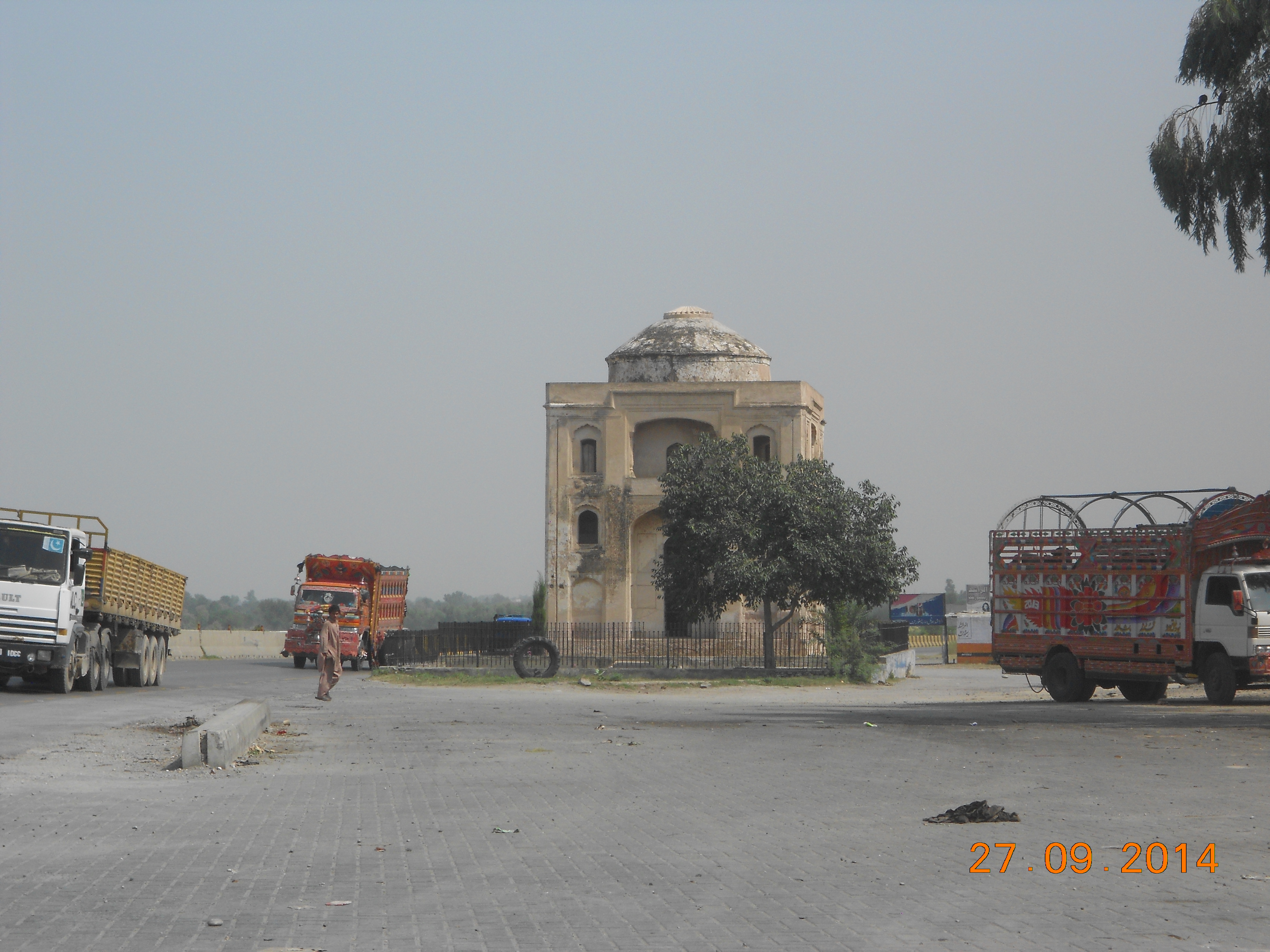
واہ اور حسن ابدال کی فضاؤں میں مغل تاریخ کا ایک اور خوبصورت پرسرار باب شہزادی لالہ رخ کا مقبرہ ہے جو کہ واہ کینٹ کے قریبی علاقے حسن ابدال میں واقع ہے۔ لوک داستانوں کے مطابق، لالہ رخ مغل شہنشاہ اکبر کی بیٹی تھیں جو کشمیر کے سفر کے دوران یہاں بیمار ہو کر وفات پا گئیں اور اسی خوبصورت دھرتی کی گود میں ہمیشہ کے لیے سو گئیں۔ اگرچہ مغل نسب ناموں میں یہ نام مخفی ہے اور یہ نام 1817 کی برطانوی شاعری میں بھی گونجا، لیکن یہ نام آج بھی یہاں کی تاریخی اور شاہی شناخت کا دھڑکتا ہوا حصہ ہے۔
مقامی اقوام کا کردار
واہ اور پوٹھوہار کا خطہ ہمیشہ سے مختلف بہادر اور محنتی برادریوں کا گہوارہ رہا ہے، جنہوں نے عسکری، زمین داری اور سماجی میدان میں اہم ترین کردار ادا کیا ہے:
- کمبوجا (Kambojas): اس خطے کی سب سے قدیم تاریخ انہی سے منسوب ہے، جو زراعت، جنگی گھوڑوں کی افزائش اور تجارتی گزرگاہوں کے انتظام میں کمال رکھتے تھے [Tarikh-e-Kamboja]۔
- کھٹر (Khattars): کھٹر خاندان اس علاقے کا سب سے بڑا زمیندار قبیلہ تھا. مغل دور میں باغِ واہ کی انتظام کاری اور باغات کی تعمیر و ترقی کی ذمہ داری مغل دربار نے راجہ حسن علی خان کھٹر کو سونپی تھی [Tarikh-e-Pothohar]۔
- گکھڑ (Gakhars): پوٹھوہار کے مایہ ناز عسکری قبیلے گکھڑ نے اس خطے کو بیرونی حملہ آوروں سے بچانے کے لیے تاریخی مزاحمت کی [Tarikh-e-Ferishta]۔
- اعوان اور جنجوعہ (Awans & Janjuas): ان مارشل برادریوں نے عسکری خدمات کے ذریعے پوٹھوہار کی تاریخ پر گہرے نقوش چھوڑے اور دفاعی افرادی قوت فراہم کی۔
- گوجر اور ملیار (Gujjars & Maliars): ان برادریوں نے واہ کی زرخیز مٹی کو اپنے خون پسینے سے سینچا اور زراعت اور باغبانی کو پروان چڑھایا۔
- کھیتری اور اروڑا (Khatris & Aroras): تقسیم سے پہلے، ان ہندو اور سکھ برادریوں نے تجارت، منڈیوں اور ابتدائی تعلیمی نظام کو منظم کیا۔
بیسویں صدی: آبادیاتی انقلاب اور نئی اقوام کا عروج
بیسویں صدی واہ کینٹ کی تاریخ کا سب سے بڑا موڑ ثابت ہوئی۔ تقسیمِ ہند (1947) کے بعد، پوٹھوہار سے غیر مسلم برادریوں کی ہجرت کے بعد، واہ کینٹ نے بھارت سے ہجرت کر کے آنے والے مہاجرین (Muhajirs) کا کھلے دل سے استقبال کیا [Migration Studies]۔ یو پی، دہلی، علی گڑھ اور حیدرآباد دکن سے آنے والے ان خاندانوں نے یہاں کی تعلیمی اور سماجی زندگی میں ایک نیا روح پرور باب رقم کیا۔
بیسویں صدی کے وسط (1951) میں جب پاکستان آرڈیننس فیکٹریز (POF) کی بنیاد رکھی گئی، تو یہاں ایک آبادیاتی انقلاب آیا. پاکستان کے تمام صوبوں سے پشتون، سندھی، بلوچ، اور وسطی پنجاب کے کشمیری اور راجپوت خاندان واہ میں آ کر آباد ہوئے، جس نے واہ کو ایک تعصبات سے پاک کثیر اللسانی اور ہنرمند "منی پاکستان" بنا دیا [Migration Studies]۔
| معروف چوک | کس کے نام پر؟ | تاریخی خدمات اور کردار |
|---|---|---|
| لائق علی چوک | میر لائق علی | حیدرآباد دکن کے آخری وزیر اعظم اور مایہ ناز سول انجینئر۔ انہوں نے ہجرت کے بعد پاکستان کی ابتدائی دفاعی و صنعتی پالیسی سازی اور پی او ایف کی منصوبہ بندی میں حکومتِ پاکستان کے عسکری و تکنیکی مشیر کے طور پر تاریخی خدمات انجام دیں۔ |
| انوار چوک | چوہدری سردار خان انوار | پی او ایف کے بانیوں میں شمار ہونے والے اعلیٰ تکنیکی سربراہ اور ایڈمنسٹریٹر، جنہوں نے نومولود کینٹ کے نقشے اور رہائشی سیکٹرز کی تعمیر کو اپنی نگرانی میں حتمی شکل دی۔ |
برطانوی دور اور "کینٹ" کا قیام
19ویں صدی کے آخر میں، برطانوی فوج نے راولپنڈی اور پشاور کے درمیان مارچ کرنے والے دستوں کے لیے اسے "واہ کیمپنگ گراؤنڈ" کا نام دیا، جس نے مستقبل کے کینٹونمنٹ کی عسکری بنیاد رکھی [Military Gazetteer]۔ تقسیمِ ہند کے وقت، تاریخی واہ سیمنٹ فیکٹری (قائم شدہ 1921) میں ایک پناہ گزین کیمپ قائم کیا گیا، جہاں 12,000 سے زائد سکھ اور ہندو مہاجرین کو باحفاظت پناہ فراہم کی گئی [Muhajir Archives]۔
🚀 پاکستان آرڈیننس فیکٹریز (POF) کا قیام
28 دسمبر 1951 کو پاکستان کے دوسرے وزیر اعظم خواجہ ناظم الدین نے یہاں POF کا سنگ بنیاد رکھا۔ اس منصوبے کو حقیقت کا روپ دینے میں پی او ایف کے بانی ڈپٹی ڈائریکٹر جنرل چوہدری سردار خان انوار کا کلیدی کردار تھا [POF Records]۔
"منی پاکستان" اور منفرد جدید ماڈل
تاریخی حوالہ جات اور کتب (Bibliography)
- [Tuzk-e-Jahangiri] – مغل دربار کے روزنامچے، جو اپریل 1607 کے شاہی سفر اور واہ نام کے وجود میں آنے کی تصدیق کرتے ہیں۔
- [Gazetteer of Rawalpindi] – راولپنڈی ڈویژن کے سفری راستوں اور قدیم دیہاتی ڈھانچے کی تفصیلات۔
- [POF Records] – پاکستان آرڈیننس فیکٹریز آرکائیوز، جو 28 دسمبر 1951 کے سنگِ بنیاد کی تصدیق کرتے ہیں۔
- [Pleistocene Archaeology] – واہ اور ٹیکسلا کی وادیوں سے 100,000 سال پرانے پتھر کے دور کے اوزاروں کی دریافت کی رپورٹ۔
- [Tarikh-e-Kamboja] – ٹیکسلا اور شمالی پنجاب میں قدیم کمبوجا قبیلے کے معاشی و عسکری اثر و رسوخ کا احاطہ۔
- [Archaeological Survey] – گیری فورٹ (Giri Fort) کی تعمیر اور اس سے وابستہ لوک داستانوں کی توثیق۔
- [Tarikh-e-Pothohar] – کھٹر، گکھڑ، اعوان اور دیگر مقامی قبائل کی سیاسی, زرعی اور سماجی خدمات۔
- [Muhajir Archives] – تقسیمِ ہند کے وقت قائم کردہ واہ سیمنٹ فیکٹری مہاجر کیمپ کا سرکاری ریکارڈ۔
- [The Akbarnama] – راجہ مان سنگھ کے پوٹھوہار میں عسکری پڑاؤ اور اولین تالاب کی تعمیر کا احاطہ۔
- [Ajaib-ul-Hasb] – مغل طرزِ تعمیر اور استاد احمد لاہوری کے انجینئرنگ کے ریکارڈ۔
- [Tarikh-e-Hasan] – صوفیائے پوٹھوہار کا تذکرہ جس میں بابا جلال الدین اور جلال سر کے مآخذ کی تفصیل ہے۔
- [Military Gazetteer] – برطانوی فوج کے ریکارڈز جس میں "واہ کیمپنگ گراؤنڈ" اور لوسر باؤلی کا تذکرہ ہے۔
- [Migration Studies] – تقسیم کے بعد پی او ایف فیکٹریز کے عروج، مہاجرین کی آمد، لائق علی اور انوار چوک کے پس منظر اور نئی اقوام کی آبادکاری کا تفصیلی جائزہ۔
The Historical Portfolio of Wah Cantt
The historic landscape of Pakistan is dotted with the grand remnants of empires, but few regions carry a legacy as deeply layered and multi-faceted as modern-day Wah Cantt. Long before it grew into a bustling modern city, this strategic territory served as a vital crossroads of history—sitting at the gateway of the ancient Gandhara civilization, nestled along the Margalla hills, and running right alongside the historic Grand Trunk (GT) Road [Gazetteer of Rawalpindi].
Prehistoric & Ancient Heritage in Chronological Sequence
The soil of Wah holds secrets that predate the Mughals and Buddhists by hundreds of thousands of years. Archaeological excavations in the valleys surrounding Wah and nearby Taxila have uncovered Paleolithic (Stone Age) tools belonging to the Soan Valley Culture, dating back over 100,000 years [Pleistocene Archaeology]. This proves that the abundant natural water springs of Wah have sustained human life since the dawn of the species.
During the Iron Age and Vedic period (circa 1000 BCE), the area was inhabited by the Indo-Iranian warrior and merchant clan Kambojas. Celebrated in ancient Sanskrit and Pali literature for their advanced equestrian skills and cavalry warfare, they controlled the ancient trade routes passing through Taxila. They established powerful commercial-military guilds (Srenis), utilizing the lush, well-watered pastures of Wah as a prime breeding ground for their legendary warhorses and a vital transit outpost for their international caravans [Tarikh-e-Kamboja].
Subsequently, this region emerged as a shining star of the majestic Gandhara Civilization (circa 600 BCE to 500 CE). Lying under the intellectual shadow of ancient Taxila University, Wah became a crucial node for Buddhist education, philosophy, and stone artistry (Gandharan Art). Pilgrims, scholars, and traders from all corners of the ancient world traversed this very corridor, cementing the soil of Wah as a historic melting pot of global cultures [Gazetteer of Rawalpindi].
By the late ancient era, around the 5th century CE, the strategic and military dynamics of the region led to the construction of the Giri Fort and Monasteries nestled in the foothills of Wah. Built as a secure retreat for Buddhist monks and local populations to seek refuge from invading forces (such as the White Huns), these ruins remain preserved today, enveloped in the classic local folklore of Prince Murad and Princess Rani's tragic love story [Archaeological Survey].
🏰 Sher Shah Suri and the Heritage of Losar Baoli
In the early 16th century, prior to the consolidation of the Mughal Empire, the Afghan emperor Sultan Sher Shah Suri undertook the historic reconstruction of the Grand Trunk (GT) Road. Recognizing the strategic location of the fresh springs of Wah, his administration constructed the Losar Baoli (located in modern-day Sher Shah Suri Park, Wah Cantt). This elaborate, multi-tiered historic stepwell was designed specifically for royal messengers, horses, and traveling merchant caravans to easily access cool, drinking water by descending wide stone staircases [Military Gazetteer].
The Origin of Name: "Jalal Sar" and Jahangir's Royal Acclamation
Centuries ago, this green valley was originally known as "Jalal Sar"—a peaceful settlement named after the renowned Sufi saint Baba Jalal-ud-Din of the Suhrawardiyya order. In the local dialect, "Sar" means a pond, translating to "The Pond of Jalal" [Tarikh-e-Hasan]. However, the transformation of this obscure mystical village into a legendary namesake began on April 29, 1607.
According to his personal diary, Tuzk-e-Jahangiri, when the Mughal Emperor Jahangir was marching back to the capital with his royal army after a military expedition to Kabul, the scorching Potohar sun and dusty tracks had exhausted the royal caravan. Searching for a suitable resting ground, the Mughal army suddenly came across this dreamlike and mesmerizing valley, where thick green canopies offered cool shade and crystal-clear, icy-cold, sweet spring water gushed forth from the breast of the earth [Tuzk-e-Jahangiri].
Mesmerized by the bubbling waters and the sight of golden Mahseer fish swimming in the pool, Emperor Jahangir was overcome with a sense of wonder. From his lips spontaneously came the famous Persian exclamation of praise: "Wah!" [Tuzk-e-Jahangiri]. This single word, uttered by the imperial tongue, forever sealed the fate of this land. Empires crumbled and maps were redrawn, but the name of the valley was immortalized as "Wah."
In fact, the first reservoir and pavilion were built here between 1581 and 1586 by Raja Man Singh, a close general and one of the nine court gems of Emperor Akbar the Great [The Akbarnama]. Later, in 1639, Emperor Shah Jahan commissioned the chief architect of the Taj Mahal and Delhi's Red Fort, Ustad Ahmad Lahori, to transform the site into a structured classical Mughal garden featuring royal hammams and elegant cascades [Ajaib-ul-Hasb].
🌸 The Romantic Mystery of Princess Lalarukh
Another beautiful and enigmatic chapter of Mughal history deeply intertwined with the atmosphere of Wah and Hasan Abdal is the tomb of Princess Lalarukh. Local folklore describes Lalarukh as the daughter of Emperor Akbar who fell ill and passed away during her journey to Kashmir, finding her eternal resting place in the bosom of this beautiful valley. While her name remains hidden in official Mughal genealogies and was immortalized in 1817 British romantic poetry, her legend remains a pulsing part of the area's historical and royal identity.
The Role of Local Clans
The region of Wah and Potohar has historically been a cradle of various brave and industrious clans, playing pivotal roles in military, agricultural, and social domains:
- Kambojas: Credited with the earliest history of the region, excelling in agriculture, horse breeding, and the management of trade routes [Tarikh-e-Kamboja].
- Khattars: The premier landowning clan of the area. During the Mughal era, the imperial court entrusted the management and development of the Wah Gardens to Raja Hasan Ali Khan Khattar [Tarikh-e-Pothohar].
- Gakhars: The formidable warrior clan of Potohar who offered heroic resistance to defend the region from foreign invaders [Tarikh-e-Ferishta].
- Awans & Janjuas: Elite martial communities who left deep military imprints on the history of Potohar, providing crucial defense manpower.
- Gujjars & Maliars: Diligent communities who nurtured the fertile soil of Wah with their sweat, elevating agriculture and horticulture.
- Khatris & Aroras: Prior to partition, these Hindu and Sikh communities organized commerce, local markets, and early educational infrastructure.
The 20th Century: Demographic Revolution & Modern Settlements
The 20th century marked the greatest turning point in the history of Wah. Following the partition of 1947 and the subsequent migration of non-Muslim communities from Potohar, Wah Cantt warmly received and accommodated thousands of Muhajir (migrant) families from India [Migration Studies]. Families arriving from UP, Delhi, Aligarh, and Hyderabad Deccan brought with them a deep commitment to education, initiating a new cultural chapter.
The mid-20th century (1951) witnessed the establishment of the Pakistan Ordnance Factories (POF), driving a major demographic expansion. Families of Pashtuns, Sindhis, Balochis, and Kashmiris/Rajputs from Central Punjab settled in Wah to form a highly-skilled, diverse, and prejudice-free "Mini Pakistan" [Migration Studies].
| Famous Square | Named After | Historical Contributions & Role |
|---|---|---|
| Laiq Ali Chowk | Mir Laiq Ali | The last Prime Minister of Hyderabad Deccan and an exceptional civil engineer. Following his migration, he served as a key industrial advisor to the Government of Pakistan, playing a monumental role in the initial master-planning of POF. |
| Anwar Chowk | Chaudhry Sardar Khan Anwar | Regarded as one of the founding administrators of POF. He was a dedicated technical director who personally supervised and finalized the layout, development, and residential sectors of the newborn cantonment. |
The British Era & Rise of the "Cantt"
During the late 19th century, the British military designated the area as the "Wah Camping Ground" for troops marching between Rawalpindi and Peshawar, establishing the early military foundations of the cantonment [Military Gazetteer]. At the time of partition, a refugee camp was established at the historic Wah Cement Factory (established 1921), safely sheltering over 12,000 Hindu and Sikh refugees during transit [Muhajir Archives].
🚀 Establishment of Pakistan Ordnance Factories (POF)
On December 28, 1951, Prime Minister Khwaja Nazimuddin laid the foundation stone of POF. The founding Deputy Director General, Chaudhry Sardar Khan Anwar, played a crucial administrative role in transforming this massive national project into reality [POF Records].
A Modern Model City and Educational Hub
Historical References & Bibliography
- [Tuzk-e-Jahangiri] – Imperial court chronicles confirming the April 1607 journey and the royal naming of Wah.
- [Gazetteer of Rawalpindi] – Travel corridors of Rawalpindi Division and description of ancient rural structures.
- [POF Records] – Pakistan Ordnance Factories Archives confirming the foundation stone date of December 28, 1951.
- [Pleistocene Archaeology] – Archaeological survey documenting Paleolithic tool discoveries in Taxila and Wah valleys.
- [Tarikh-e-Kamboja] – Ancient socioeconomic and cavalry footprints of the Kambojas in North Punjab and Taxila.
- [Archaeological Survey] – Construction of Giri Fort and documentation of local romantic folklore.
- [Tarikh-e-Pothohar] – Feudal, agricultural, and socio-political contributions of Khattar, Gakhar, Awan, and other regional clans.
- [Muhajir Archives] – Official transit records of the Wah Cement Factory refugee camp in 1947.
- [The Akbarnama] – Raja Man Singh's deployments in Potohar and the initial structural pool layout.
- [Ajaib-ul-Hasb] – Mughal architectural notes and engineering designs associated with Ustad Ahmad Lahori.
- [Tarikh-e-Hasan] – Accounts of Potohar Sufi lineages detailing Baba Jalal-ud-Din and the origin of "Jalal Sar."
- [Military Gazetteer] – British military logs detailing the "Wah Camping Ground" and the heritage of Losar Baoli stepwell.
- [Migration Studies] – Analysis of post-partition demographics, POF workforce expansion, the roles of Mir Laiq Ali and Chaudhry Sardar Khan Anwar, and modern communal settlements.
Nice Sharing
ReplyDelete